
The Canyon Behind Town: Your Guide to Helen Hunt Falls & North Cheyenne Cañon Park
Drive west from Colorado Springs on Cheyenne Boulevard and the mountains come at you fast. Within minutes the road narrows, granite walls rise on both sides, and the city disappears entirely behind you. North Cheyenne Cañon Park—2,000 acres of canyon, creek, forest, and waterfall—is one of the most dramatic public parks in Colorado, and one of the most overlooked. From The Outrider's front door on Manitou Avenue, you're less than fifteen minutes away.
This is the canyon most visitors never find. Garden of the Gods gets the crowds, Pikes Peak gets the glory. North Cheyenne Cañon gets the people who pay attention. Here's everything you need to know.
Helen Hunt Falls: The Easy Win
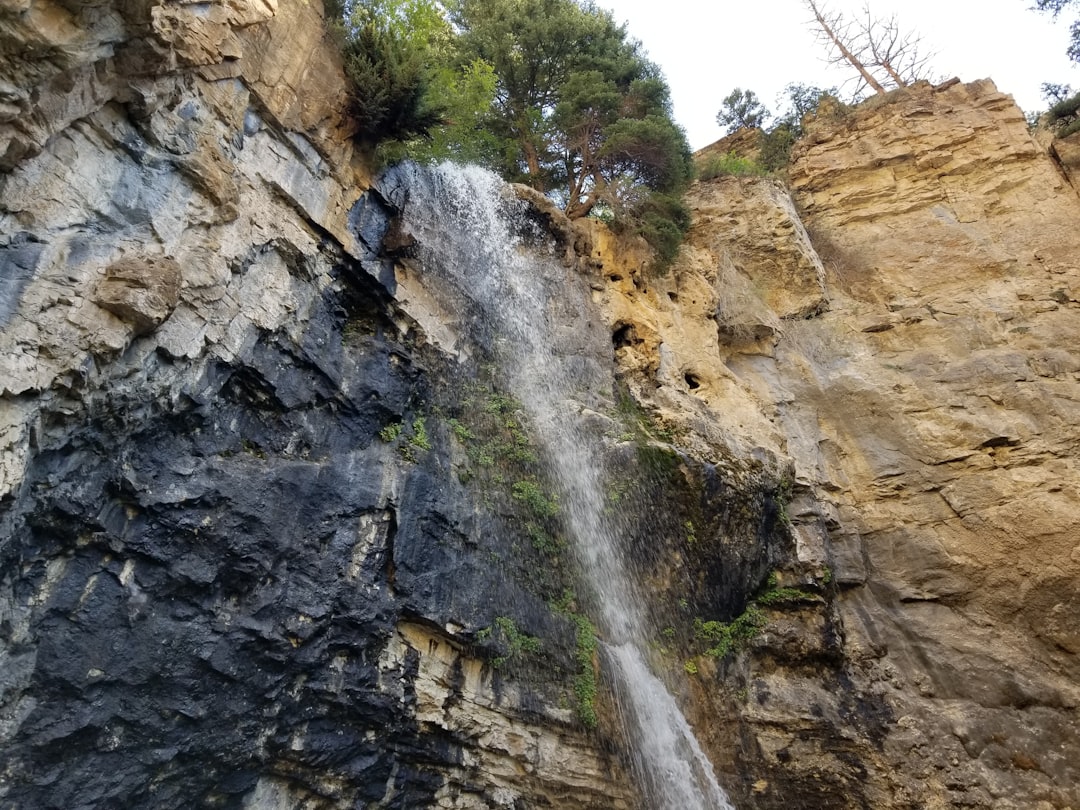
The centerpiece of the park is Helen Hunt Falls—a 35-foot cascade of Cheyenne Creek over granite boulders, named for the Colorado author and activist who loved this canyon in the 1870s and 1880s. Unlike most waterfalls in the Rockies, this one requires almost no effort to reach. Park in the lot at the end of North Cheyenne Canyon Road and the falls are a two-minute walk up a paved path. The sound of the water reaches you before you see it. The falls run strong through spring snowmelt—typically April through July—and remain beautiful well into autumn.
The Outrider Tip
Peak flow is typically mid-May through early June when winter snowpack is melting hardest. Time your visit then for the most dramatic water volume.
The Visitor Center and Beyond
The historic stone visitor center at the base of the falls is worth a few minutes. Built by the Civilian Conservation Corps in the 1930s, the building itself is a small piece of Colorado history, and the exhibits inside offer context on the canyon's geology, wildlife, and the somewhat forgotten story of Helen Hunt Jackson—whose 1881 novel A Century of Dishonor became one of the most influential books on Native American rights of the nineteenth century. The ranger staff are knowledgeable and genuinely helpful for trail recommendations.
The Trails: Going Deeper into the Canyon
Silver Cascade Falls Trail — The Reward for Going Further
Above Helen Hunt Falls, the canyon narrows and the trail gets interesting. The Silver Cascade Falls Trail continues up the creek drainage from the main parking area, gaining elevation through a dense forest of ponderosa pine and Douglas fir. About a mile and a half in, you reach Silver Cascade—a longer, more slender falls that most visitors never see. The trail is moderately strenuous and the footing can be uneven near the falls, but the sense of having gone somewhere genuinely off the tourist route more than compensates.
The Outrider Tip
Wear trail shoes with good grip for the Silver Cascade hike—the trail is rocky and the area around the falls can be wet. Trekking poles help on the steeper sections.
The Gold Camp Road Overlooks — Views Without the Sweat
Gold Camp Road—a historic narrow mountain road that once carried ore wagons from the Cripple Creek gold mines—branches off from the canyon and climbs above the south rim, offering a series of pullouts with sweeping views of the canyon below and Colorado Springs spreading out across the plains to the east. The road is unpaved but passable in a standard vehicle during summer months. Sunset from any of the upper pullouts, with the city grid lit below and the canyon walls turning gold, is a view that earns its own return trip.
Wildlife: What You Might See
North Cheyenne Cañon is one of the better places in the Pikes Peak region to spot wildlife without an organized tour. Black bears move through the upper canyon in spring and fall; keep your distance and follow standard bear protocol. Mule deer are a near-daily sighting along the creek corridor in the early morning hours. Peregrine falcons nest on the granite cliffs above the falls each spring, and the park is an excellent birding destination through summer and migration season. The creek itself harbors a healthy population of brown trout—the canyon's quiet pools are well worth stopping for if you simply want to watch the water move.
The Outrider Tip
Early morning on a weekday is prime wildlife time. Arrive before 8am and you'll likely have the lower canyon nearly to yourself—and the deer are still active along the creek.
Practical Information
Admission to North Cheyenne Cañon Park is free. The park is managed by the City of Colorado Springs and is open year-round, though North Cheyenne Canyon Road closes to vehicle traffic at the upper gate in winter. Dogs are welcome on leash throughout. The parking lot at Helen Hunt Falls fills quickly on summer weekends—arrive before 9am or after 4pm for the easiest access. Restrooms are available at the visitor center during operating hours.
Getting Here from The Outrider
From our front door at 229 Manitou Ave, take US-24 east toward Colorado Springs, then turn south on 21st Street and follow Cheyenne Boulevard west into the canyon. The drive is under fifteen minutes. Alternatively, Cheyenne Creek Trail connects the canyon to the broader Colorado Springs trail network—ask us at the front desk for the bike and trail route options from our property. The canyon and the waterfall are worth every minute of the drive. North Cheyenne Cañon is the kind of place that makes people realize Colorado Springs is far more than its most famous landmarks.
After the Canyon, Come Back Ready to Rest
A full morning in North Cheyenne Cañon—especially if you push past the falls to Silver Cascade—produces exactly the kind of high-quality tiredness that calls for a proper recovery. Our sauna and cold plunge wellness area is waiting at The Outrider. So is the fire pit patio, the best place to let the afternoon canyon light settle over you while the canyon itself recedes back into the quiet it prefers. Roam free, rest easy—that's the Outrider way.